Beet The Pests And Grow Bigger Beets With The Best Companion Plants
Beet the Pests and Grow Bigger Beets with the Best Companion Plants
Beetroot is a delicious and nutritious vegetable that is easy to grow. However, it can be susceptible to pests and diseases. Companion planting is a great way to deter pests and diseases, and it can also help to improve the growth and flavor of your beetroot.
In this blog post, we will discuss the best companion plants for beetroot, and how to use them to protect your crop from pests and diseases. We will also provide some tips on how to grow beetroot successfully.
What are Companion Plants?
Companion planting is a gardening practice that involves planting certain plants together to benefit each other. Some plants can attract beneficial insects, while others can repel pests. Some plants can also improve the soil quality, or provide shade or support for other plants.
The Best Companion Plants for Beetroot
There are many different plants that can be good companion plants for beetroot. Some of the best include:
- Onions and garlic: These plants have a strong smell that can repel pests, such as aphids and flea beetles.
- Carrots: Carrots and beetroot can help to suppress weeds, and they can also help to improve the flavor of each other.
- Lettuce: Lettuce can help to attract beneficial insects, such as ladybugs, which can help to control pests.
- Radishes: Radishes can help to break up the soil, which can improve drainage and aeration. They can also help to deter pests, such as wireworms.
- Herbs: Many herbs, such as mint, thyme, and rosemary, can help to repel pests and improve the flavor of beetroot.
How to Use Companion Planting to Protect Beetroot
When planting beetroot, you can try to group the plants with their best companion plants. For example, you could plant onions and garlic near your beetroot to help repel pests. You could also plant lettuce and radishes between your beetroot rows to help suppress weeds and attract beneficial insects.
In addition to planting companion plants, you can also take other steps to protect your beetroot from pests and diseases. These include:
- Watering regularly: Beetroot needs regular watering, especially during hot weather.
- Fertilizing regularly: Beetroot benefits from regular fertilization, especially with nitrogen-rich fertilizer.
- Staking tall varieties: Tall varieties of beetroot may need to be staked to prevent them from falling over.
- Inspecting your plants regularly: Inspect your beetroot plants regularly for signs of pests or diseases. If you see any problems, take steps to correct them immediately.
Tips for Growing Beetroot
Here are some tips for growing beetroot successfully:
- Choose the right location: Beetroot prefers full sun, but it can tolerate some shade.
- Prepare the soil: Beetroot needs well-drained soil that is rich in organic matter.
- Sow the seeds: Beetroot seeds can be sown directly in the garden in early spring.
- Thin the seedlings: Once the seedlings have emerged, thin them to 2-3 inches apart.
- Water regularly: Beetroot needs regular watering, especially during hot weather.
- Fertilize regularly: Beetroot benefits from regular fertilization, especially with nitrogen-rich fertilizer.
- Harvest when the beets are young: Beets are best when they are young and tender.
Conclusion
Beetroot is a delicious and nutritious vegetable that is easy to grow. Companion planting can help to protect your beetroot from pests and diseases, and it can also help to improve the growth and flavor of your crop. By following the tips in this blog post, you can grow healthy and delicious beetroot in your own garden.
Beetroot is a delicious and nutritious vegetable that is easy to grow. But did you know that there are certain plants that can help to improve the growth and flavor of beetroot? These are known as companion plants, and they can help to deter pests, improve soil quality, and even boost the flavor of your beets.
Some of the best companion plants for beetroot include:
- Alliums: Onions, garlic, chives, and leeks all help to repel pests that can damage beetroot, such as aphids and flea beetles. They also help to improve the flavor of beetroot.
- Brassicas: Broccoli, Brussels sprouts, cabbage, and cauliflower all help to improve the soil quality around beetroot, making it more nutrient-rich. They also help to deter pests.
- Legumes: Beans, peas, and lentils all help to fix nitrogen in the soil, which is beneficial for beetroot. They also help to suppress weeds.
If you're looking to grow the best beetroot possible, I recommend companion planting. It's a great way to improve your yields and get the most out of your garden space.
For more information about the best companion plants for beetroot, I recommend visiting Gardenia Inspiration. This website has a comprehensive list of companion plants, as well as tips on how to plant and care for beetroot.
FAQ of best companion plants for beets
Question 1: What are the best companion plants for beets?
Answer: Some of the best companion plants for beets include:
- Alliums: Onions and garlic help to repel pests, such as aphids and carrot rust flies.
- Bush beans: Bush beans fix nitrogen in the soil, which benefits beets.
- Lettuce: Lettuce helps to suppress weeds and attract beneficial insects.
- Radishes: Radishes help to break up the soil, which benefits beets' root growth.
- Strong-scented herbs: Herbs such as catnip, rosemary, and thyme help to repel pests and attract beneficial insects.
Question 2: What are some plants that should not be planted near beets?
Answer: Some plants that should not be planted near beets include:
- Pole beans: Pole beans compete with beets for nutrients and water.
- Spinach: Spinach can harbor pests that can also damage beets.
- Tomatoes: Tomatoes can transmit a disease called verticillium wilt to beets.
Question 3: Why is it important to plant companion plants with beets?
Answer: Companion planting is the practice of planting different types of plants together to benefit each other. When you plant companion plants with beets, you can help to improve their growth, deter pests, and attract beneficial insects.
Question 4: How do I know which companion plants are right for my beets?
Answer: There are a few things to consider when choosing companion plants for beets:
- The needs of the plants: Make sure that the companion plants you choose have similar needs in terms of sunlight, water, and soil type.
- The benefits of the plants: Choose companion plants that will benefit beets in some way, such as by deterring pests, attracting beneficial insects, or improving the soil.
- The compatibility of the plants: Avoid planting companion plants that will compete with each other for nutrients or water.
Question 5: Where can I find more information about companion planting with beets?
Answer: There are a number of resources available to help you learn more about companion planting with beets. Here are a few suggestions:
- Books: There are a number of books available on companion planting, including "The Vegetable Gardener's Companion" by Louise Riotte and "Carrots Love Tomatoes" by Craig LeHouillier.
- Websites: There are a number of websites that offer information on companion planting, including Gardening Know How: https://www.gardeningknowhow.com/edible/vegetables/beets/beet-companion-plants.htm and The Old Farmer's Almanac: https://www.almanac.com/companion-planting-guide-vegetables.
- Gardening centers: Many gardening centers offer classes or workshops on companion planting.
Image of best companion plants for beets
5 different images of "best companion plants for beets" from Pinterest:
- Onions
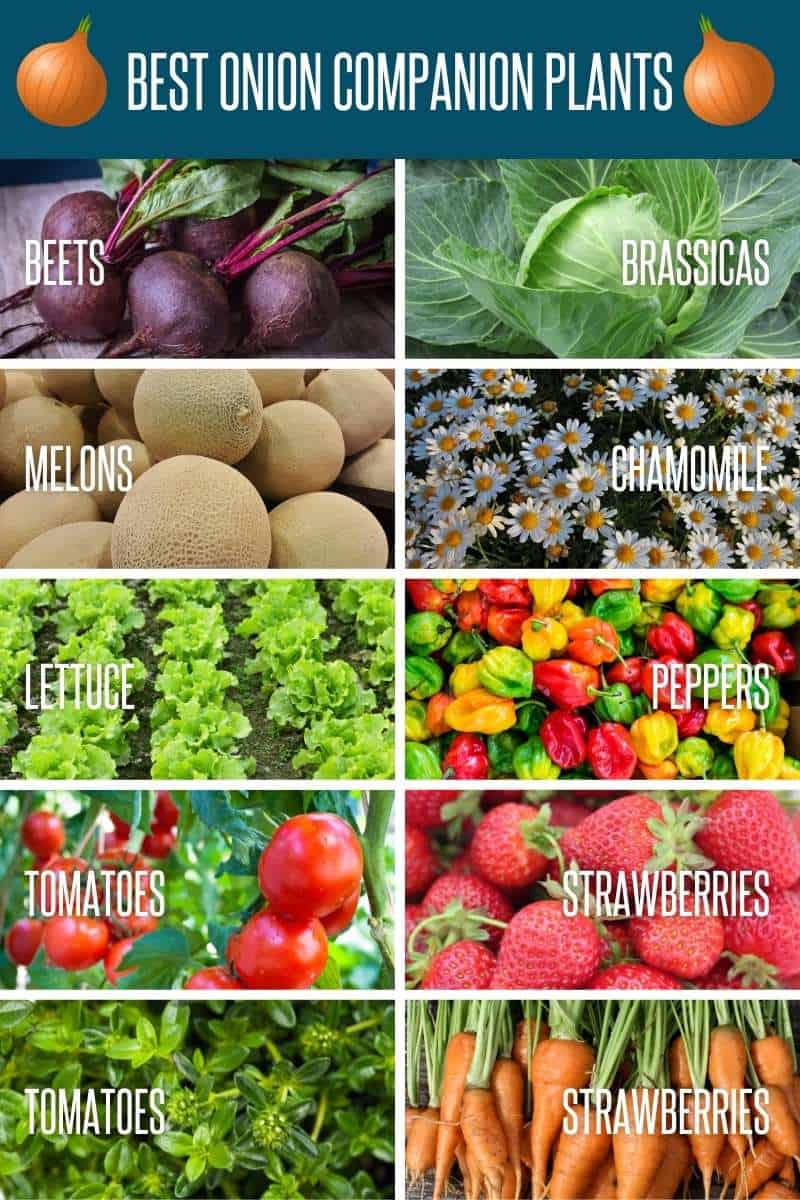 Onions are a great companion plant for beets because they help to repel pests. The strong scent of onions can deter aphids, flea beetles, and other insects that can damage beet plants.
 - Carrots
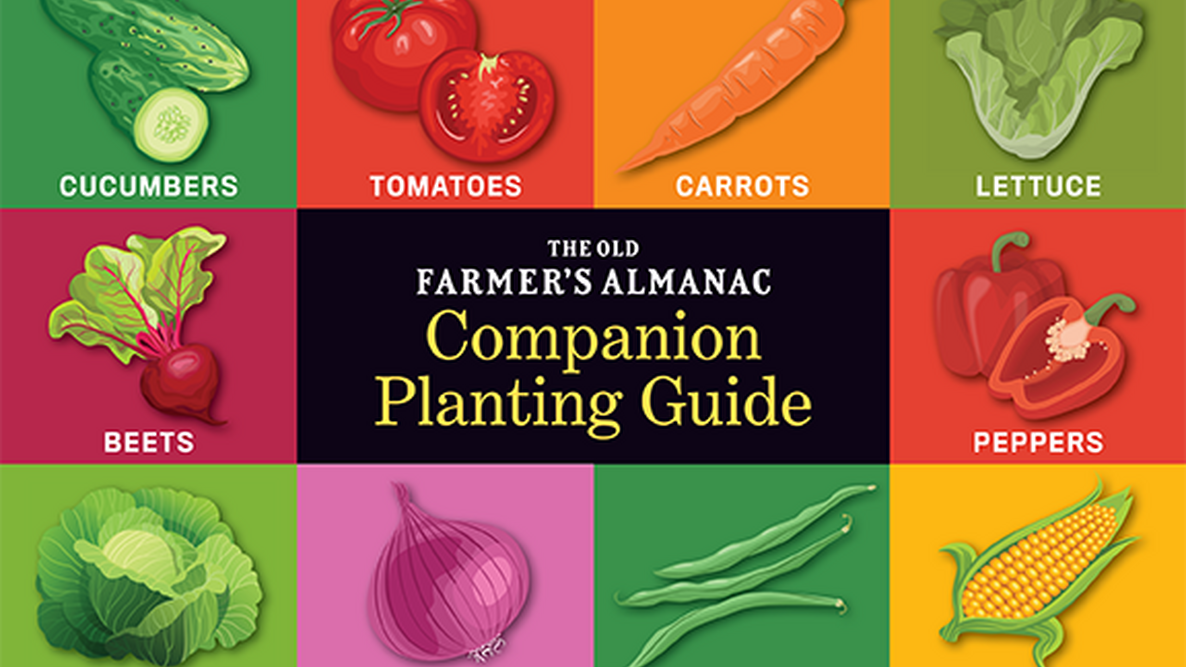 Carrots are another good companion plant for beets because they help to improve the flavor of the beets. The roots of carrots release a substance that helps to sweeten the beets.
 - Lettuce
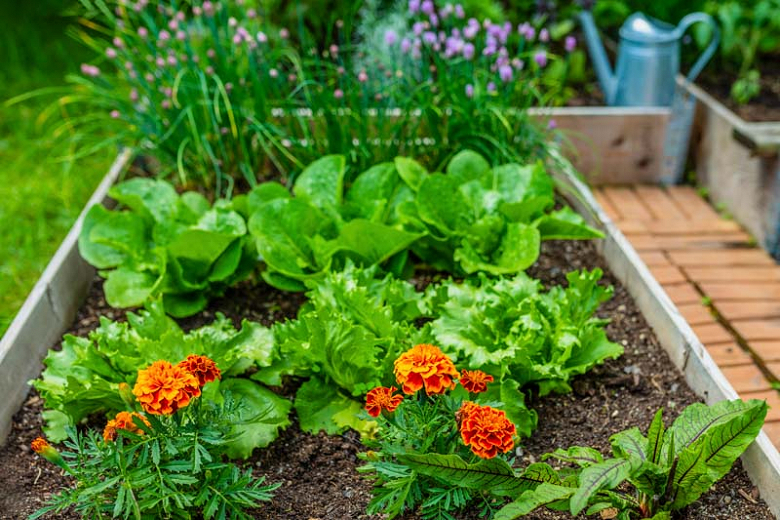 Lettuce is a good companion plant for beets because it helps to suppress weeds. The leaves of lettuce shade the soil around the beet plants, making it difficult for weeds to germinate.
 - Bush beans
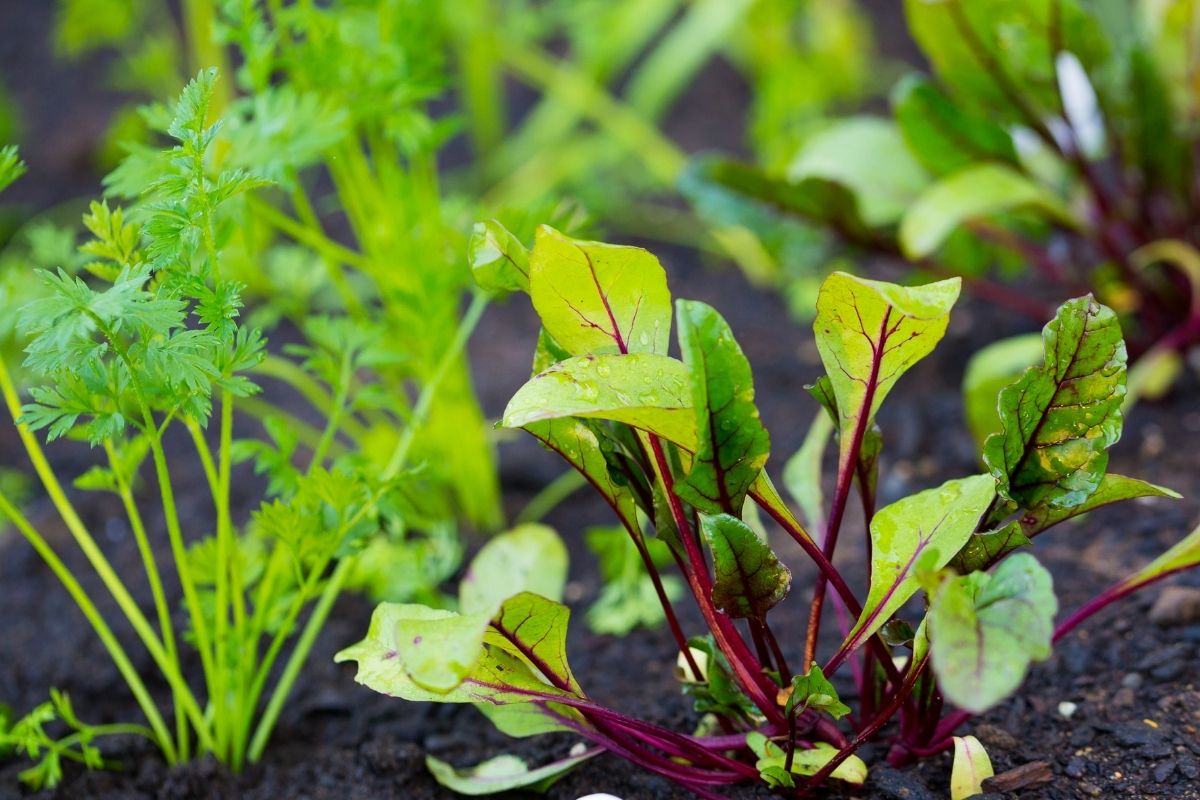 Bush beans are a good companion plant for beets because they help to fix nitrogen in the soil. Nitrogen is an essential nutrient for beet plants, and bush beans can help to provide it.
 - Kale
 Kale is a good companion plant for beets because it helps to deter pests. The strong scent of kale can repel aphids, flea beetles, and other insects that can damage beet plants.

Post a Comment for "Beet The Pests And Grow Bigger Beets With The Best Companion Plants"