Best Chard Companion Plants
Title: Best Chard Companion Plants
Introduction:
Swiss chard is a versatile and delicious vegetable that can be grown in a variety of climates. It is also a relatively easy plant to care for, making it a good choice for beginner gardeners.
One way to improve the growth and health of your chard plants is to plant them with companion plants. Companion planting is the practice of planting different types of plants together in order to benefit each other. Some plants attract beneficial insects, while others help to repel pests. Some plants also have deep roots that can help to improve the drainage of the soil, while others have shallow roots that can help to prevent erosion.
There are many different plants that can be grown as companion plants for chard. Some of the best options include:
- Brassicas: Brassicas, such as cabbage, broccoli, and kale, are good companion plants for chard because they help to repel pests. They also have deep roots that can help to improve the drainage of the soil.
- Legumes: Legumes, such as beans and peas, are nitrogen-fixing plants. This means that they can help to add nitrogen to the soil, which can benefit chard plants. Legumes also provide shade for chard plants, which can help to protect them from the hot sun.
- Herbs: Herbs, such as mint, cilantro, and rosemary, can help to repel pests and attract beneficial insects. They can also add flavor to chard dishes.
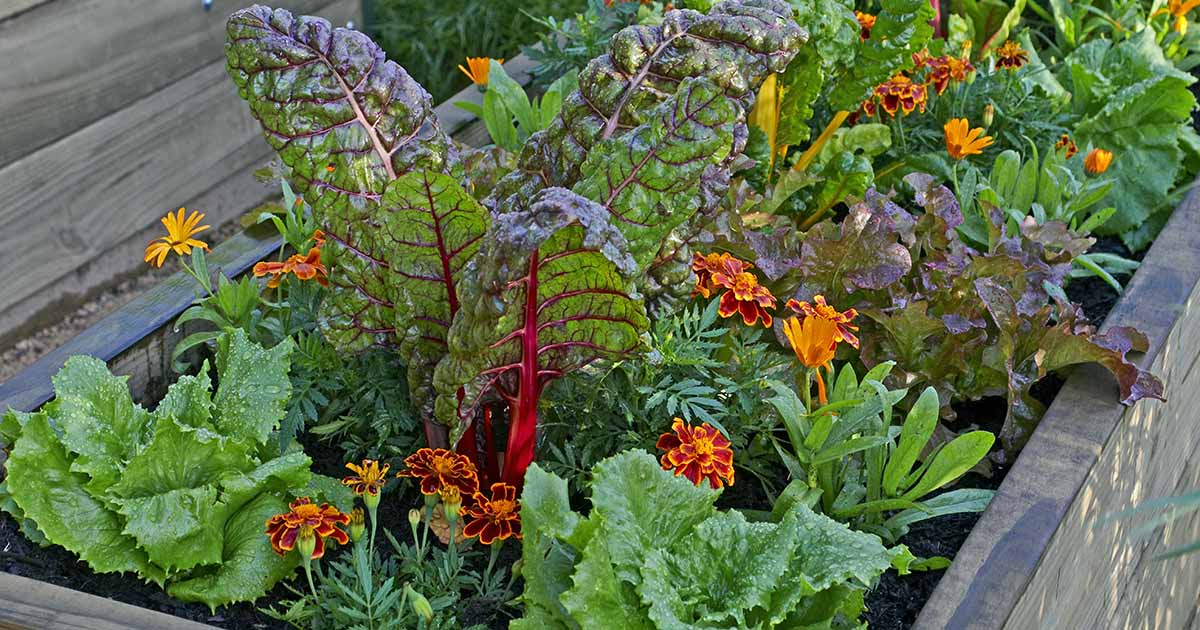
- Annual flowers: Annual flowers, such as marigolds, nasturtiums, and calendula, can help to attract beneficial insects and repel pests. They can also add color and interest to your garden.
Main Content:
In addition to the plants listed above, there are many other plants that can be grown as companion plants for chard. Some other good options include:
- Carrots: Carrots help to repel the carrot fly, which can be a pest for chard.
- Lettuce: Lettuce helps to suppress weeds and improve the drainage of the soil.
- Radishes: Radishes help to improve the soil's fertility and attract beneficial insects.
- Spinach: Spinach helps to repel the aphid, which can be a pest for chard.
- Tomatoes: Tomatoes help to repel the nematode, which can be a pest for chard.
When choosing companion plants for chard, it is important to consider the size and growth habits of the plants. For example, you would not want to plant a large plant, such as a tomato plant, next to a small plant, such as a chard plant. This is because the large plant would shade the smaller plant and prevent it from getting enough sunlight.
It is also important to consider the needs of the plants. For example, chard plants need full sun, so you would not want to plant them next to a plant that needs shade.
Conclusion:
By planting companion plants with your chard, you can help to improve the growth and health of your plants. You can also help to protect your plants from pests and diseases.
If you are new to companion planting, there are many resources available to help you get started. You can find books, articles, and websites that offer advice on companion planting. You can also talk to experienced gardeners for tips.
With a little planning, you can easily grow healthy and productive chard plants by planting them with companion plants.
Swiss chard is a delicious and versatile vegetable that can be grown in many different climates. It's also a great candidate for companion planting, which is the practice of planting different types of plants together to benefit each other. Some of the best companion plants for Swiss chard include:
- Alliums (such as onions, garlic, and chives)
- Brassicas (such as cabbage, broccoli, and kale)
- Legumes (such as beans and peas)
- Annual flowers (such as marigolds, nasturtiums, and sweet alyssum)
- Celery
- Herbs (such as mint, basil, and thyme)
For more information about chard companion plants, please visit Home Gardening.
FAQ of chard companion plants
- What are some good companion plants for Swiss chard?
Swiss chard is a relatively versatile plant and can be grown in a variety of companion planting arrangements. Some of the best companion plants for Swiss chard include:
* Alliums: Alliums, such as onions, garlic, and chives, help to deter pests and diseases.
* Brassicas: Brassicas, such as cabbage, broccoli, and kale, help to attract beneficial insects and improve the flavor of Swiss chard.
* Legumes: Legumes, such as beans and peas, help to fix nitrogen in the soil, which can benefit Swiss chard.
* Lettuce: Lettuce helps to suppress weeds and shade the soil, which can help to keep Swiss chard roots cool.
* Annual flowers: Annual flowers, such as marigolds and nasturtiums, help to attract pollinators and deter pests.
- What are some plants that should not be planted near Swiss chard?
Some plants that should not be planted near Swiss chard include:
* Spinach: Spinach and Swiss chard are both susceptible to the same pests and diseases, so planting them together can increase the risk of infection.
* Beets: Beets and Swiss chard compete for the same nutrients, so planting them together can stunt the growth of both plants.
* Tomatoes: Tomatoes and Swiss chard have different water requirements, so planting them together can lead to one plant being overwatered or underwatered.
* Cucumbers: Cucumbers and Swiss chard attract different pests, so planting them together can make it more difficult to control pests.
- How do companion plants benefit each other?
Companion plants benefit each other in a variety of ways. Some of the ways that companion plants can benefit each other include:
* Attracting beneficial insects: Some companion plants, such as marigolds and nasturtiums, attract beneficial insects, such as ladybugs and parasitic wasps, which help to control pests.
* Detering pests: Some companion plants, such as garlic and chives, have strong scents that deter pests, such as aphids and cabbage moths.
* Improving soil quality: Some companion plants, such as legumes, fix nitrogen in the soil, which can benefit other plants.
* Shading the soil: Some companion plants, such as lettuce and Swiss chard, can shade the soil, which can help to keep roots cool and suppress weeds.
Image of chard companion plants
- Carrots. Chard and carrots are both root vegetables, so they benefit from being planted together. The chard's leaves help to shade the carrots, which can help to prevent them from bolting.

- Lettuce. Lettuce and chard are both cool-season crops, so they can be planted together in the same garden bed. The chard's leaves help to protect the lettuce from the sun and wind.
- Onions. Onions and chard are both members of the Allium family, so they benefit from being planted together. They help to repel each other's pests and diseases.

- Peas. Peas and chard are both nitrogen-fixing plants, so they can help to improve the soil quality for each other.
- Potatoes. Chard and potatoes are both heavy feeders, so they benefit from being planted together. The chard's leaves help to shade the potatoes, which can help to prevent them from getting sunburned.
- Spinach. Spinach and chard are both cool-season crops, so they can be planted together in the same garden bed. The chard's leaves help to protect the spinach from the sun and wind.
- Tomatoes. Tomatoes and chard are both members of the Solanaceae family, so they benefit from being planted together. They help to repel each other's pests and diseases.
- Herbs. Many herbs, such as basil, dill, and mint, make good companion plants for chard. They help to repel pests and diseases, and they can also add flavor to your chard dishes.
- Flowers. Flowers, such as marigolds and nasturtiums, make good companion plants for chard. They help to attract beneficial insects, which can help to control pests.
- Crop rotation. Rotating your crops is a good way to prevent pests and diseases from building up in your garden. Chard can be rotated with a variety of other vegetables, such as beans, broccoli, and cucumbers.


Post a Comment for " Best Chard Companion Plants"