The Ultimate Guide To Greenhouse Walls Materials
The Ultimate Guide to Greenhouse Walls Materials
Greenhouses are a great way to extend your growing season and protect your plants from the elements. But before you can start enjoying the benefits of a greenhouse, you need to choose the right materials for the walls.
There are a number of factors to consider when choosing greenhouse wall materials, including climate, budget, and personal preference. In this guide, we'll discuss the most popular greenhouse wall materials and help you choose the right ones for your needs.
Glass
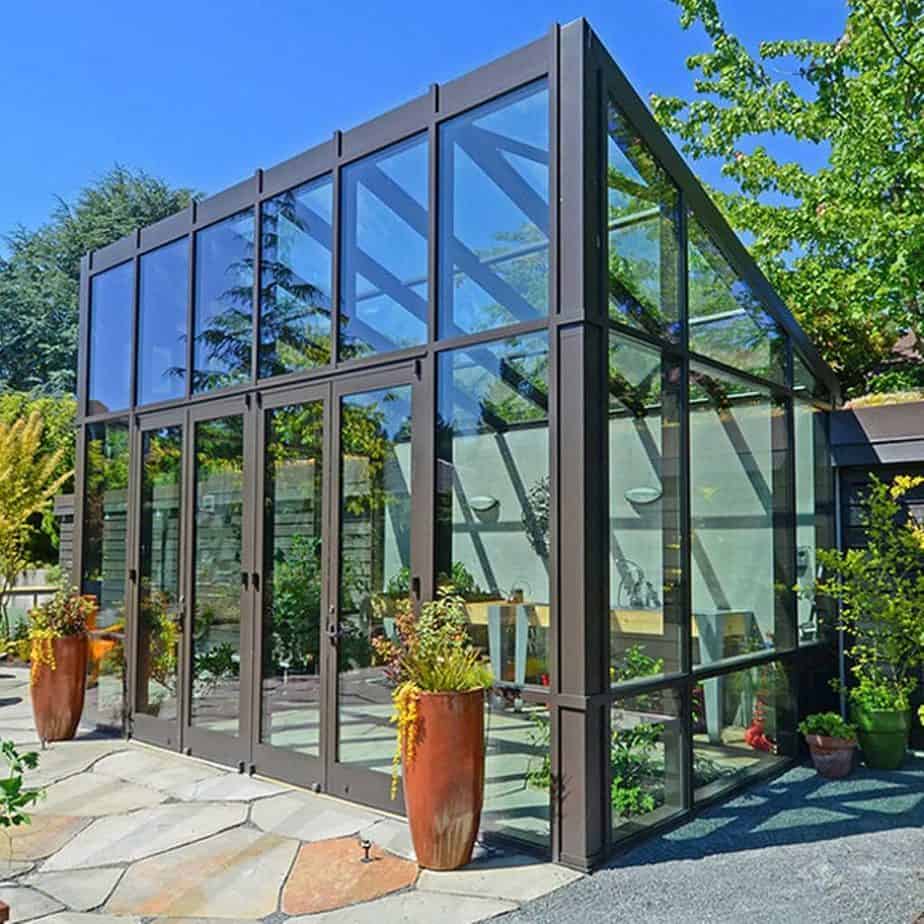
Glass is the traditional material for greenhouse walls. It's clear, durable, and allows in plenty of sunlight. However, glass can be heavy and expensive, and it can break easily.
Polycarbonate
Polycarbonate is a lightweight, shatter-resistant plastic that's a good alternative to glass. It's also more energy-efficient than glass, which can help save you money on heating and cooling costs.
Twin-wall polycarbonate
Twin-wall polycarbonate is a type of polycarbonate that has two layers of material separated by an air space. This makes it even more energy-efficient than single-wall polycarbonate, and it also helps to reduce noise levels.
Polyethylene
Polyethylene is a type of plastic that's often used for greenhouse roofs. It's less expensive than glass or polycarbonate, but it's also less durable. Polyethylene is also more susceptible to UV damage, so it's important to choose a UV-treated film.
Fiberglass
Fiberglass is a strong, lightweight material that's often used for greenhouse walls. It's also relatively inexpensive, and it can be easily cut and installed. However, fiberglass is not as transparent as glass or polycarbonate, so it may not be the best choice for plants that need a lot of sunlight.
Vinyl
Vinyl is a type of plastic that's often used for greenhouse walls. It's relatively inexpensive and easy to install, but it's not as durable as other materials. Vinyl is also susceptible to UV damage, so it's important to choose a UV-treated film.
Which material is right for you?
The best material for your greenhouse walls will depend on your individual needs and preferences. If you're looking for a clear, durable material that allows in plenty of sunlight, then glass is a good choice. If you're on a budget or you need a lightweight material that's easy to install, then polycarbonate or polyethylene may be a better option.
No matter which material you choose, make sure to get a UV-treated film to protect your walls from the sun's harmful rays.
Are you looking for the perfect materials for your greenhouse walls? If so, you've come to the right place! Garden Wiki is a comprehensive resource for all things greenhouse, including a wide variety of wall materials.
Whether you're looking for traditional glass or something more modern like polycarbonate, Garden Wiki has you covered. They also offer a variety of other materials, such as acrylic, fiberglass, and even metal.
In addition to their extensive selection of materials, Garden Wiki also offers a wealth of information about greenhouse walls. They have articles on everything from the different types of materials available to the best way to install them.
So if you're ready to start planning your greenhouse, be sure to visit Garden Wiki. They'll have everything you need to get started!
FAQ of greenhouse walls materials
What are the most common materials used for greenhouse walls?
The most common materials used for greenhouse walls are glass, polycarbonate, polyethylene film, and fiberglass. Each material has its own advantages and disadvantages, so the best choice for you will depend on your specific needs and budget.
- Glass is the most traditional material used for greenhouse walls. It is highly transparent, allowing in plenty of sunlight. Glass is also durable and can last for many years. However, glass is also the most expensive material option.
- Polycarbonate is a lightweight, durable plastic that is becoming increasingly popular for greenhouse walls. Polycarbonate is more transparent than glass, but it also blocks some of the ultraviolet (UV) rays that can damage plants. Polycarbonate is also more affordable than glass.
- Polyethylene film is the most affordable material option for greenhouse walls. Polyethylene film is also lightweight and easy to install. However, polyethylene film is not as durable as glass or polycarbonate, and it will need to be replaced more frequently.
- Fiberglass is a strong, lightweight material that is also resistant to UV rays. Fiberglass is a good option for greenhouse walls in cold climates, as it helps to retain heat. However, fiberglass is not as transparent as glass or polycarbonate, so it may not be the best choice for plants that need a lot of sunlight.
What are the factors to consider when choosing a material for greenhouse walls?
The following factors should be considered when choosing a material for greenhouse walls:
- Climate: The climate in your area will affect the type of material you need for your greenhouse walls. For example, if you live in a cold climate, you will need a material that is good at retaining heat.
- Budget: The cost of the material is another important factor to consider. Glass is the most expensive option, while polyethylene film is the most affordable.
- Durability: The durability of the material is also important. If you live in an area with high winds or hail, you will need a material that is resistant to damage.
- Transparency: The transparency of the material is important if you want your plants to get plenty of sunlight. Glass is the most transparent option, while polyethylene film is the least transparent.
What is the best material for greenhouse walls?
The best material for greenhouse walls will depend on your specific needs and budget. If you want a durable, transparent material that is resistant to UV rays, then polycarbonate is a good option. If you are on a tight budget, then polyethylene film is a good choice.
How thick should the material be for greenhouse walls?
The thickness of the material will depend on the climate in your area and the type of plants you will be growing. In general, thicker materials are more durable and can withstand more extreme weather conditions. However, thicker materials are also more expensive.
How do I maintain the material for greenhouse walls?
The material for greenhouse walls should be cleaned regularly to remove dirt, debris, and pests. You should also inspect the material for damage and repair any cracks or tears as soon as possible.
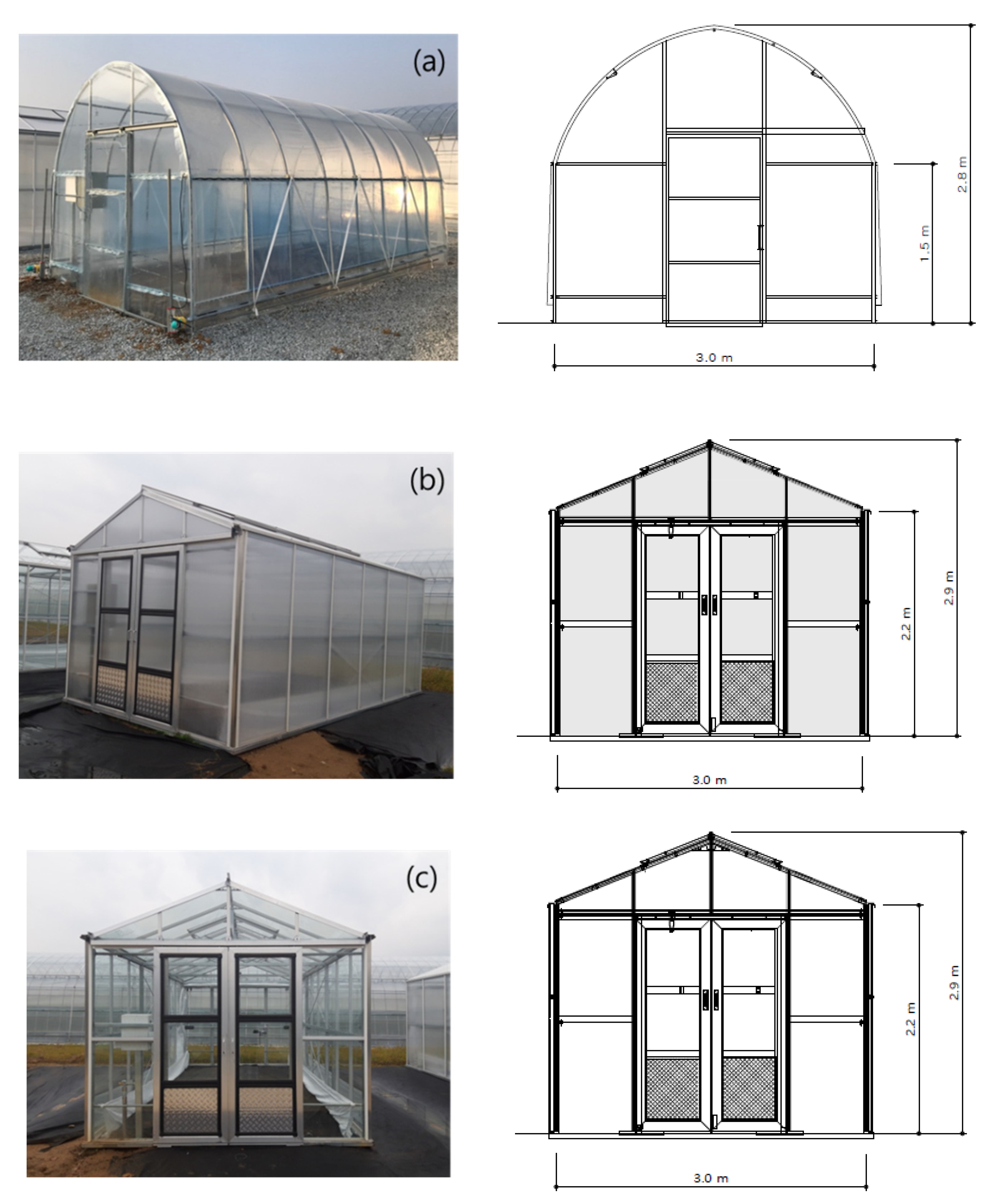
Image of greenhouse walls materials
- Glass: This is the most traditional material for greenhouse walls, and it provides excellent light transmission. However, glass can be expensive and fragile.
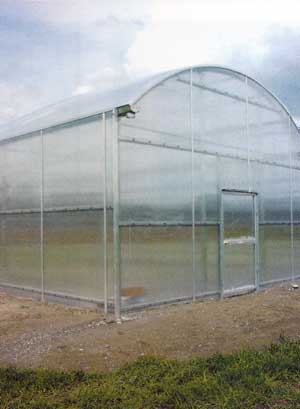
- Polycarbonate: This is a synthetic material that is lightweight, durable, and more affordable than glass. Polycarbonate also blocks UV rays, which can damage plants.
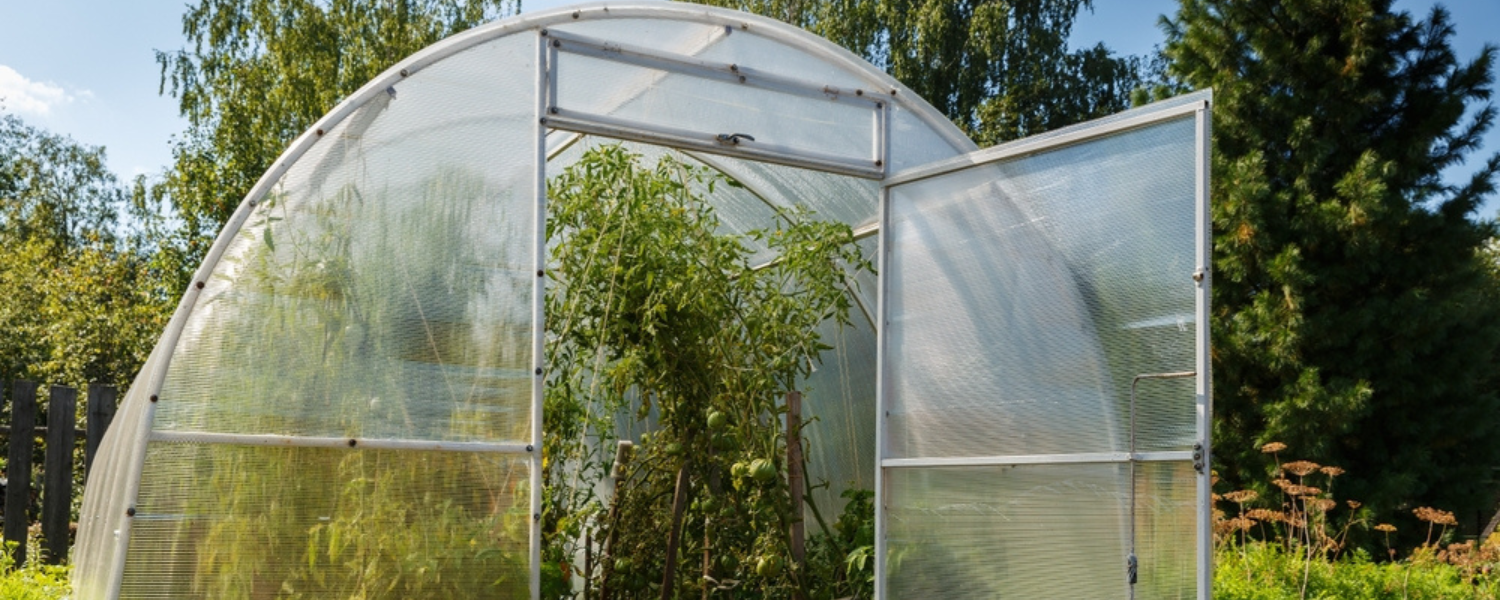
- Vinyl: This is another affordable and durable material that is often used for greenhouse walls. Vinyl is not as transparent as glass or polycarbonate, but it can be a good option if you are looking for a low-maintenance material.
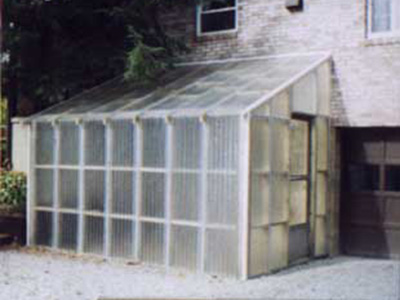
- Fiberglass: This is a strong and lightweight material that is often used for greenhouse roofs. Fiberglass can also be used for walls, but it is not as transparent as glass or polycarbonate.
- Plastic film: This is the most affordable option for greenhouse walls, but it is also the least durable. Plastic film is not as transparent as other materials, and it needs to be replaced more often.

Post a Comment for "The Ultimate Guide To Greenhouse Walls Materials"